


Designing an Effective Drone-Based STEM Lessons Curriculum

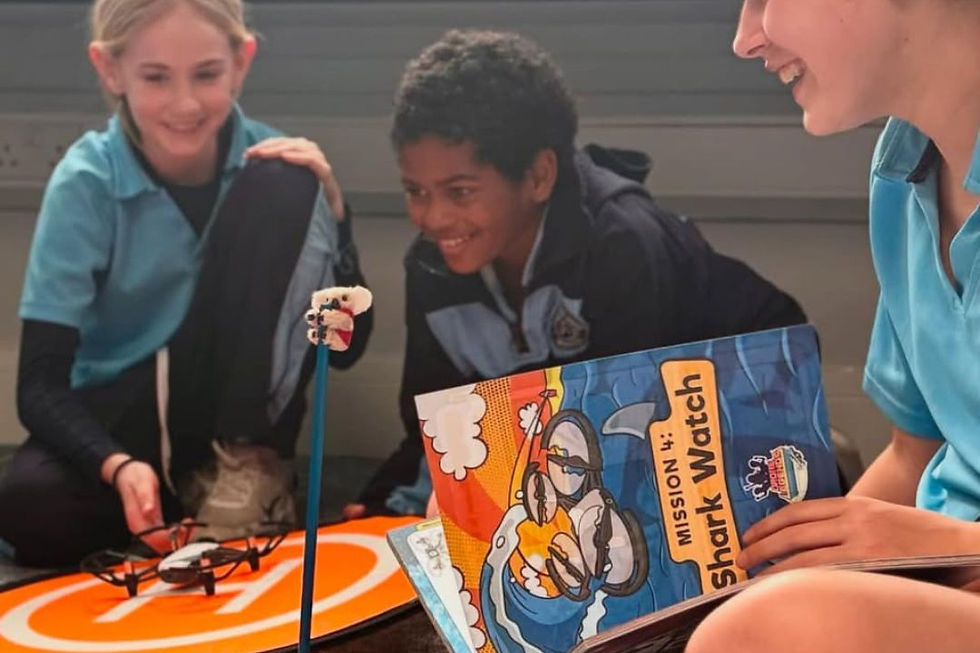
Imagine a classroom buzzing with excitement as students launch tiny drones into the air, eyes wide with curiosity and hands-on learning. That’s the magic of integrating drones into STEM education! If you’re looking to create a dynamic, engaging, and practical curriculum that brings science, technology, engineering, and math to life, you’re in the right place. Let’s dive into how to design an effective drone-based STEM lessons program that captivates young minds and builds essential skills.
Why Drone-Based STEM Lessons Are a Game Changer
Drones are not just cool gadgets; they’re powerful educational tools. They combine multiple STEM disciplines in one interactive package. When students pilot drones, they’re not just flying machines—they’re exploring physics (lift, thrust, drag), engineering (design and mechanics), technology (programming and sensors), and math (calculations and data analysis).
Here’s why drone-based STEM lessons stand out:
Engagement: Kids love drones! Their natural curiosity makes lessons more exciting.
Hands-On Learning: Students learn by doing, which boosts retention and understanding.
Real-World Skills: Drone operation and programming prepare students for future careers.
Cross-Disciplinary: Combines coding, physics, engineering, and math seamlessly.
By weaving drones into your curriculum, you’re creating a vibrant learning environment where theory meets practice.

Building Blocks of an Effective Drone-Based STEM Lessons Curriculum
Creating a curriculum that works means balancing fun with fundamentals. Here’s a step-by-step guide to get you started:
1. Define Clear Learning Objectives
Start by asking: What do you want students to achieve? Objectives should be specific, measurable, and aligned with STEM standards. For example:
Understand the basic physics of flight.
Learn to program drone flight paths using block-based coding.
Analyze flight data to improve drone performance.
Develop teamwork and problem-solving skills through group projects.
Clear goals help you design lessons that are focused and impactful.
2. Choose Age-Appropriate Drones and Tools
Not all drones are created equal. For younger students, simple, durable drones with basic controls work best. Older students can handle more complex models with programmable features.
Consider:
Mini drones for beginners.
Programmable drones for coding lessons.
Drones with sensors for data collection and analysis.
Pair drones with user-friendly software that matches your students’ skill levels.
3. Integrate Cross-Disciplinary Content
Don’t silo drone lessons into just one subject. Use drones to teach:
Physics: Lift, thrust, drag, and aerodynamics.
Math: Calculating speed, distance, and angles.
Engineering: Building and modifying drone parts.
Technology: Coding flight paths and troubleshooting.
This approach reinforces STEM concepts and shows students how these fields connect in real life.
4. Plan Hands-On Activities and Projects
Engagement skyrockets when students get their hands on drones. Include activities like:
Flight challenges: Navigate obstacle courses.
Programming tasks: Create automated flight paths.
Data analysis: Collect and interpret flight telemetry.
Design projects: Modify drones for specific tasks.
Projects encourage creativity, critical thinking, and collaboration.
5. Ensure Safety and Compliance
Safety is paramount. Teach students about drone regulations, safe flying practices, and responsible use. Establish clear rules and supervise flights closely.
6. Assess and Reflect
Use quizzes, project presentations, and flight demonstrations to assess learning. Encourage students to reflect on what they learned and how they solved problems.
Incorporating Technology and Coding in Drone-Based STEM Lessons
Technology is the heart of drone education. Coding, in particular, transforms drone flying from a simple remote control task into a powerful learning experience.
Why Coding Matters
Programming drones teaches logic, sequencing, and debugging. It’s a gateway to computer science and robotics. Plus, it empowers students to customize drone behavior beyond manual control.
Tools and Platforms to Consider
Block-based coding: Platforms like Scratch or Blockly make programming accessible for beginners.
Python or JavaScript: For advanced students ready to dive deeper.
Drone-specific SDKs: Some drones come with software development kits for custom programming.
Sample Coding Activity
Have students program a drone to fly a square path. They’ll learn about loops, angles, and timing. This simple task builds confidence and introduces fundamental coding concepts.
Integrating Sensors and Data
Many drones have sensors that collect data on altitude, speed, and orientation. Use this data for math lessons on graphing and statistics or science experiments on environmental monitoring.

Tips for Engaging Students and Keeping Momentum
Keeping students excited about drone STEM lessons requires creativity and adaptability. Here are some tips:
Start with a demo: Show a drone in action to spark interest.
Use storytelling: Frame lessons around real-world problems drones solve.
Encourage teamwork: Group projects build communication and leadership.
Celebrate successes: Showcase student projects and flights.
Invite guest speakers: Drone pilots or engineers can inspire students.
Keep lessons varied: Mix theory, hands-on, and digital activities.
Remember, enthusiasm is contagious. Your passion will fuel their curiosity!
Resources and Support for Your Drone STEM Curriculum
You don’t have to go it alone. Plenty of resources can help you build and sustain your program:
Online tutorials and lesson plans: Many free and paid options are available.
Community forums: Connect with other educators for tips and advice.
Local drone clubs or organizations: Partner for events or guest speakers.
Professional development: Workshops to boost your drone and coding skills.
Also, consider investing in quality drones and software that offer educational discounts and support.
If you want to explore a ready-made drone stem curriculum designed specifically for K-12 education, it can save you time and ensure your lessons are aligned with best practices.
Empowering the Next Generation with Drone STEM Education
Designing an effective drone-based STEM lessons curriculum is more than just teaching kids to fly drones. It’s about opening doors to future careers, sparking innovation, and building confidence in technology. By combining clear objectives, hands-on projects, coding, and safety, you create a learning experience that’s both fun and meaningful.
So, are you ready to take flight with drone education? The sky’s the limit!


Comments