


The Role of Drones in STEM Education: Unlocking New Horizons

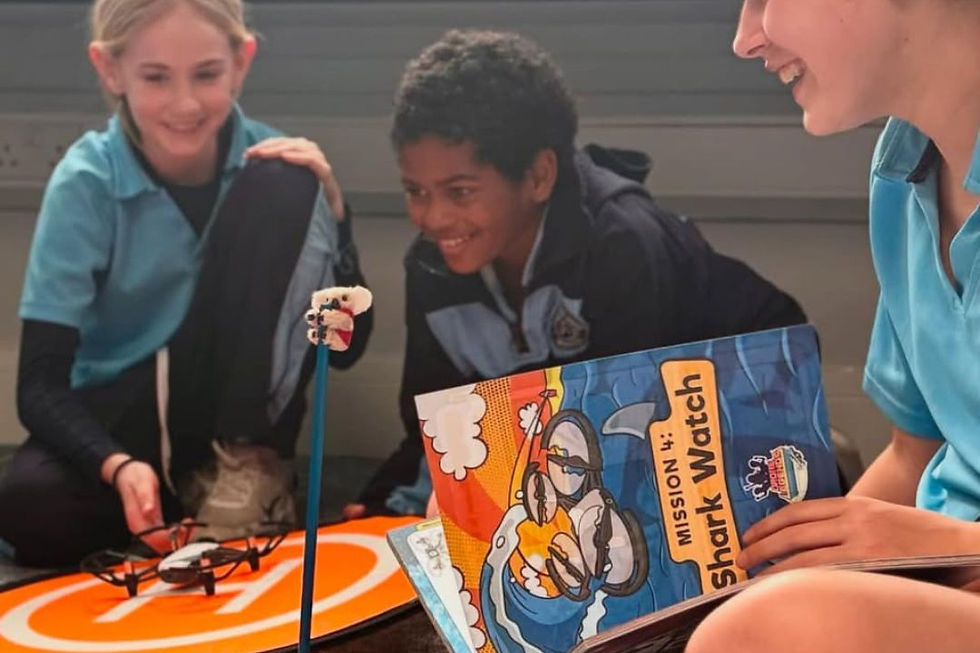
Imagine a classroom buzzing with excitement as students launch tiny flying machines into the air, learning physics, engineering, and coding all at once. Sounds futuristic? Actually, it’s happening right now! Drones are transforming how young learners engage with STEM subjects, making education more interactive, hands-on, and downright fun. Let’s dive into how drones are reshaping modern education and why they deserve a spot in every K-12 curriculum.
Why Drones Are a Game-Changer in STEM Education
Drones bring a fresh, dynamic approach to learning science, technology, engineering, and math. Instead of just reading about concepts in textbooks, students get to see and apply them in real time. For example, flying a drone involves understanding aerodynamics, battery life, and remote control technology. It’s a perfect blend of theory and practice.
Here’s why drones are making waves in STEM education:
Hands-on learning: Students build, program, and pilot drones, which boosts engagement and retention.
Problem-solving skills: Navigating drones through obstacles encourages critical thinking.
Creativity and innovation: Designing drone missions sparks imagination and teamwork.
Real-world applications: From agriculture to disaster relief, drones show students how STEM skills solve real problems.
Plus, drones are accessible. Many schools and homeschooling families can integrate drone education with affordable kits and online resources. This opens doors for all students to explore tech careers early on.

Integrating Drones in STEM Education: Practical Ideas and Benefits
So, how can drones fit into your educational toolkit? Here are some practical ways to bring drones into STEM lessons:
Physics and Math Lessons: Use drones to demonstrate forces like lift, thrust, and drag. Calculate flight time, speed, and distance.
Coding and Robotics: Program drones to follow specific flight paths or complete tasks using block-based or text-based coding languages.
Environmental Science: Conduct aerial surveys of school grounds or local parks to study plant growth, erosion, or wildlife habitats.
Engineering Challenges: Have students design drone attachments or modifications to improve performance.
Team Projects: Organize drone races or obstacle courses to encourage collaboration and communication.
The benefits? Students develop real skills that employers value: technical know-how, teamwork, and adaptability. Plus, the excitement of flying drones keeps motivation high.
If you want to explore more about drone education, there are plenty of resources and curricula designed specifically for K-12 settings.

How do I start a career in drones?
Curious about turning your passion for drones into a career? The drone industry is booming, and there’s a growing demand for skilled professionals. Here’s how you can get started:
Learn the basics: Start with understanding drone mechanics, flight controls, and safety regulations.
Get certified: Many regions require drone pilots to have certifications or licenses. Look into local requirements.
Build skills: Practice flying, programming, and maintaining drones. Join clubs or online communities.
Explore specializations: Careers range from drone piloting and maintenance to data analysis and software development.
Seek internships or apprenticeships: Hands-on experience is invaluable.
Stay updated: The drone field evolves quickly, so continuous learning is key.
For students, starting with drone education in school or at home lays a strong foundation. It’s not just about flying drones; it’s about understanding the technology that powers them and the problems they can solve.
Overcoming Challenges: Making Drone Learning Accessible and Safe
Introducing drones into education isn’t without hurdles. Some common concerns include cost, safety, and technical complexity. But don’t worry - these challenges can be tackled with smart planning:
Cost-effective options: Many affordable drone kits are designed for beginners and schools. Look for bundles that include lesson plans.
Safety first: Establish clear rules for drone use, including designated flying areas and supervision. Teach students about responsible flying.
Teacher training: Educators can benefit from professional development workshops to feel confident integrating drones.
Technical support: Partner with organizations or companies that offer support and resources.
Inclusive learning: Adapt lessons to different skill levels and learning styles to ensure everyone can participate.
By addressing these factors, drones can become a safe, inclusive, and exciting part of STEM education.
The Future of Education is Taking Flight
Drones are more than just cool gadgets - they’re powerful tools that inspire curiosity, creativity, and critical thinking. As technology advances, the role of drones in education will only grow, opening new pathways for students to explore STEM fields and prepare for future careers.
Imagine classrooms where students don’t just learn about science and technology but live it through drone projects. Imagine young minds soaring as high as the drones they pilot, ready to tackle tomorrow’s challenges with confidence and skill.
Are you ready to bring this exciting future into your learning environment? Embracing drone education today means empowering the innovators, engineers, and problem-solvers of tomorrow.
Let’s get those drones in the air and watch education take flight!


Comments