


Empowering the Next Generation: The Importance of Drone Curriculum for Future Innovators

Drones are no longer just gadgets for hobbyists or tools for filmmakers. They have become essential in many industries, from agriculture to emergency response. As drone technology advances rapidly, the need to educate young people about drones grows stronger. Teaching the next generation about drones prepares them to create new solutions, improve existing systems, and lead in a field that is shaping the future.
Current Trends in Drone Technology and Its Applications
Drones today are more capable and versatile than ever. They come equipped with advanced sensors, cameras, and software that allow them to perform complex tasks. Some key trends include:
Autonomous flight: Drones can now navigate and complete missions with minimal human control, using GPS and AI.
Delivery services: Companies are testing drones to deliver packages, medical supplies, and food quickly and efficiently.
Agricultural monitoring: Farmers use drones to survey crops, detect pests, and optimize irrigation.
Search and rescue: Drones help locate missing persons in difficult terrain or disaster zones.
Environmental research: Scientists track wildlife, monitor forests, and study climate changes with drone data.
These examples show how drones impact many fields, creating opportunities for innovation and problem-solving.
Essential Skills and Knowledge Needed for Aspiring Drone Innovators
To succeed in drone technology, students need a mix of technical and creative skills:
Basic aerodynamics and physics: Understanding how drones fly and respond to controls.
Programming and coding: Writing software to control drones or analyze data.
Electronics and mechanics: Building and repairing drone hardware.
Data analysis: Interpreting images and sensor data collected by drones.
Regulations and safety: Knowing the legal rules for flying drones and ensuring safe operations.
Creative problem-solving: Designing new uses for drones or improving existing ones.
Learning these skills helps students think like innovators, ready to tackle real-world challenges.
Educational Programs and Resources Available for Students
Many schools and organizations now offer drone education programs. These include:
STEM clubs and workshops: Hands-on activities where students build and fly drones.
Online courses: Platforms like Coursera and Udemy offer drone programming and piloting classes.
Competitions: Events such as drone racing or design challenges encourage teamwork and innovation.
University programs: Some colleges provide degrees or certificates in unmanned aerial systems.
Government and nonprofit initiatives: Programs aimed at increasing access to drone education in underserved communities.
These resources make drone learning accessible and engaging for students at different levels.

The Role of Hands-On Experience and Projects in Learning with a Drone Curriculum
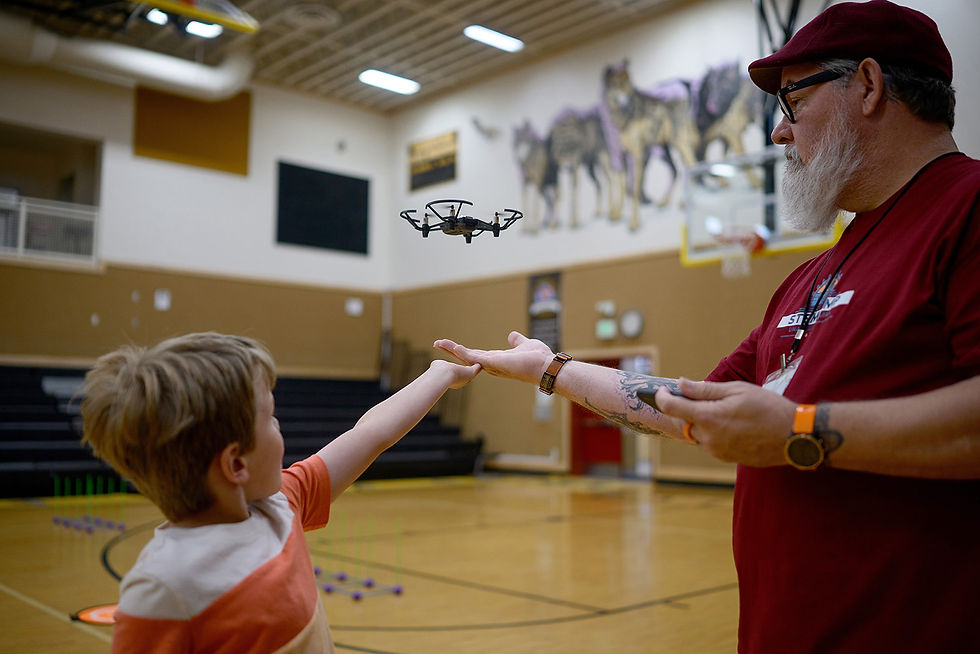
Reading about drones is useful, but nothing replaces building and flying one. Hands-on projects help students:
Apply theory to practice: Seeing how physics and coding affect drone behavior.
Develop troubleshooting skills: Fixing problems that arise during assembly or flight.
Boost confidence: Successfully completing a flight or project motivates further learning.
Encourage teamwork: Many drone projects require collaboration and communication.
Spark creativity: Experimenting with new designs or flight patterns.
For example, a project where students design drones to deliver small packages can teach engineering, logistics, and programming all at once. These experiences prepare students for real-world innovation.
Future Career Opportunities in the Drone Industry
The drone industry is growing fast, creating many career paths:
Drone pilot: Operating drones for photography, inspections, or deliveries.
Drone engineer: Designing and building drone hardware and software.
Data analyst: Processing drone-collected data for agriculture, construction, or environmental studies.
Regulatory specialist: Helping companies comply with drone laws and safety standards.
Researcher: Developing new drone technologies or applications.
Entrepreneur: Starting businesses that use drones in creative ways.
According to industry reports, the global drone market is expected to grow significantly in the next decade, meaning demand for skilled professionals will increase. Early education gives students a head start in these promising fields.
Ready to Bring the Future to Your Classroom?
The drone industry is moving fast—don’t let your students get left behind. At Drone Legends, we provide the tools, curriculum, and support you need to turn standard STEM lessons into high-flying adventures.
Whether you are an educator looking to inspire your students, a school administrator ready to innovate, or a program leader seeking a turnkey solution, we’re here to help you clear for takeoff.
Let’s Launch Your Drone Program Together
Don't just teach the next generation—empower them to lead. Contact us today to learn how our hands-on curriculum and expert resources can transform your educational environment.
Customized Solutions: Programs tailored to your specific grade levels and goals.
Expert Support: We provide the training and hardware knowledge to make you the expert.
Future-Ready Skills: Give your students a head start in the global drone economy.
Contact Us to Get Started!


Comments